💡 Note: This guide is part of our digital growth education series. We update it periodically as new insights and tools emerge.
Introduction: The Difference Between Traffic & Sales
You’ve built your digital foundation. You have a website, analytics, and a working lead capture form (the Grid Digitals System). You’re already ahead of most small businesses.
But here is a truth many people learn the hard way: traffic does not equal sales.
Many beginners focus on getting views, clicks, and followers, hoping those numbers will magically turn into customers. When that doesn’t happen, frustration sets in and people start believing that online growth doesn’t work.
In reality, sales — especially your first five meaningful customers — don’t come from luck or algorithms. They come from a conversion system.
In this guide, the word “guaranteed” doesn’t mean instant success or unrealistic promises. It means building a repeatable, controllable process that removes randomness from sales.
This article focuses on high-leverage, zero-cost strategies that help you monetize the leads you already have. We’re moving from the setup phase to the monetization phase by improving what happens at the bottom of your funnel — the sales conversation itself.
By the end, you’ll understand a clear roadmap for converting your existing contacts into paying customers, helping you secure your first five sales without spending money on ads.
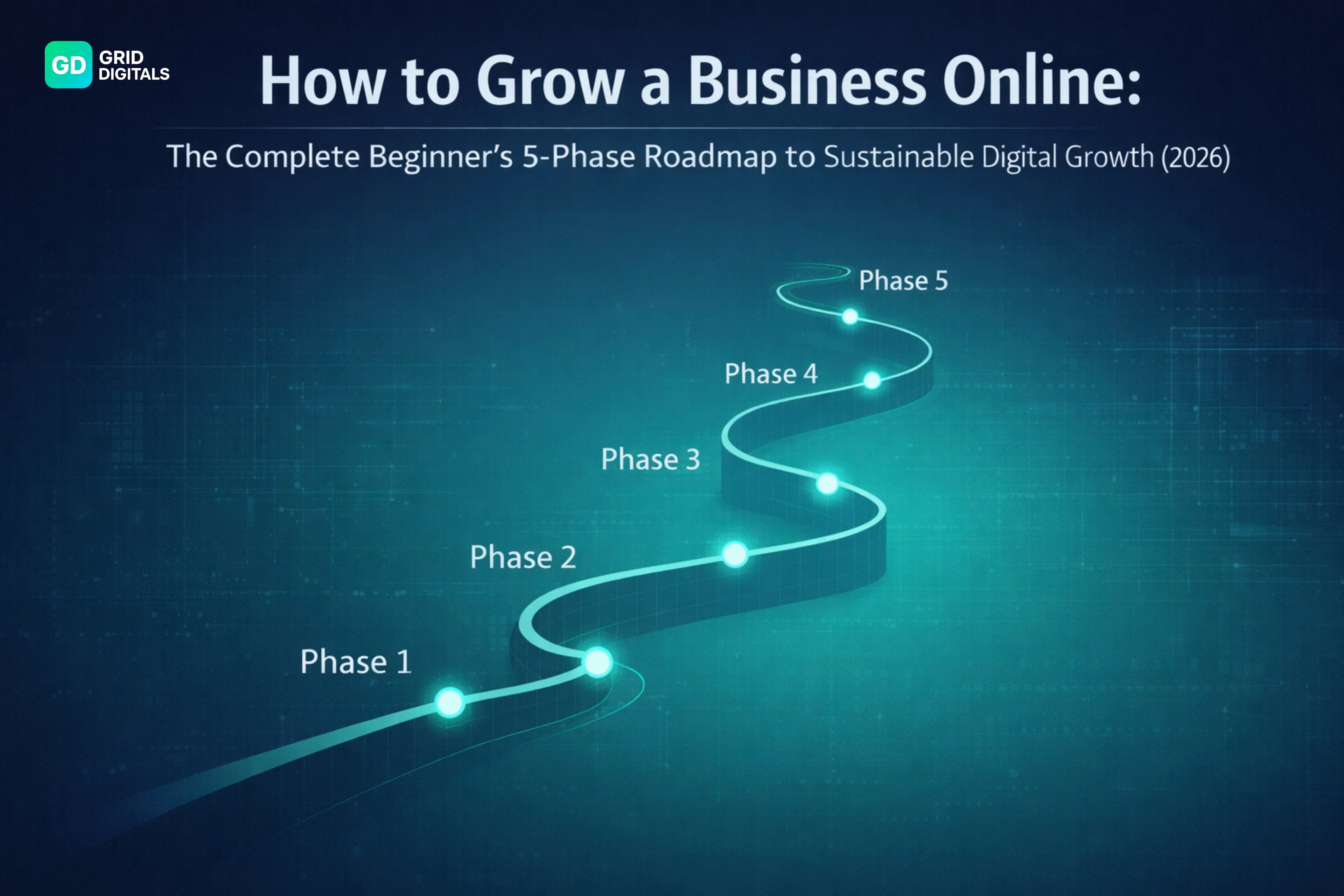
If you haven’t set up your $0 Lead Capture System yet, start here first: Grow Your Business Online For Free: The Complete Beginner’s 5-Phase Roadmap to Sustainable Digital Growth
Part I: The 4 C’s of Zero-Cost Conversion (The Mindset)
Before diving into channels, tools, or messages, you must first understand the mindset behind a working conversion system. Your first online sales are almost always driven by a few core principles — not hacks or algorithms.
These four principles remove customer FUD (Fear, Uncertainty, and Doubt), which is the number one reason people hesitate and delay buying.
1. Clarity (The Offer)
Focus: Value proposition, offer clarity, customer pain point.
The system principle is simple: a confused prospect never buys. Your website copy, WhatsApp introduction, and even your email signature must clearly answer one question: “What do you actually help people achieve?”
A clear offer sounds like this: “I help [specific audience] achieve [specific, measurable result] in [specific timeframe].”
- Zero-Cost Action: Rewrite your product description, service page headline, and email signature today. If it takes a customer more than 5 seconds to understand what you sell, clarity is missing.
2. Credibility (Social Proof & Trust)
Focus: Social proof, trust signals, customer testimonials.
The strongest conversion trigger is proof. Especially for your first five sales, people don’t want promises — they want reassurance that this has worked for someone else.
Credibility does not require big brand logos. Previous work, free projects, screenshots, or short testimonials all count as trust signals.
- Zero-Cost Action: Collect three short testimonials (text or video) from lieople you’ve helped before — even if the work was free. Place them close to every “Buy Now” or “Contact Us” call-to-action.
3. Consistency (Follow-Up System)
Focus: Sales pipeline, follow-up system, conversion funnel.
Most sales are not closed on the first contact. In fact, many conversions happen between the 5th and 12th follow-up. Scattered sales efforts rely on a single message. A system relies on structured follow-up.
Consistency doesn’t mean spamming. It means staying visible, helpful, and relevant until the prospect is ready to decide.
- Zero-Cost Action: Define a simple 7-day follow-up plan for every lead that asks for pricing. (We’ll break this down step-by-step in Part V.)
4. Conversation (Human Connection)
Focus: Lead nurturing, high-value sales, conversion path.
High-value customers rarely purchase directly from a link. They buy from someone they trust. Your online system should guide leads smoothly from automation (website, email, forms) into a human conversation.
This conversation might happen on WhatsApp, a phone call, or a Zoom meeting — but the transition must feel natural, not forced.
- Zero-Cost Action: Every email in your nurture sequence should include a clear invitation: “Reply to this email with your biggest challenge” or “Click here to chat with us on WhatsApp.”
Part II: Conversion Channel 1 — WhatsApp (The High-Speed Hub)
Think of WhatsApp here as a model for a well-structured sales DM system — not a rigid requirement. For many businesses in emerging digital markets, WhatsApp Business is the highest-converting zero-cost sales channel available.
When optimized correctly, it becomes your high-speed conversion hub — the place where interest turns into real conversations and sales. Your system should be designed to move qualified leads here quickly and intentionally.
Strategy 1: The Optimized Conversion Profile
The Problem: Many businesses treat WhatsApp like a personal messaging app, not a sales system.
The Fix: Activate WhatsApp Business and fully complete every available section. Each field reduces friction and answers questions before the customer even asks.
- Product Catalog: Create a clean, high-quality catalog showing your low-friction offer (see Part IV). This removes the question, “What do you sell?”
- Business Hours: Set clear working hours, even if you operate remotely. This sets expectations and increases trust.
- Description: Use your 4 C’s clarity statement. Clearly state who you help and the outcome you deliver.
Strategy 2: Saved Replies for Immediate Authority
The Problem: Repeating the same answers manually slows response time and weakens authority.
The Fix: Create Saved Replies (Quick Replies) for your three most common questions — pricing, working hours, and process.
Example Saved Reply (Pricing):
“Thank you for asking. Our process starts with a System Audit ($49) to fully diagnose your needs. Would you like me to send you the details?”
The Sales Advantage: Fast, consistent, professional responses signal operational efficiency and confidence — both powerful trust triggers.
Strategy 3: Broadcast Lists for Niche Promotions
The Problem: Mass messaging feels like spam and destroys trust.
The Fix: Use Broadcast Lists to segment your leads and send targeted, high-value messages only to people who care about that topic.
Segmentation Example, Segment leads into categories like : "Interested in SEO," "Interested in Email Marketing," and "Ready to Buy."
- Zero-Cost Action: Once per week, send one useful tip to a specific segment, followed by a clear, personalized CTA linked to your low-friction offer.
Important Note on Platform Choice:
While WhatsApp Business is used here as the primary example, these principles apply to any direct messaging environment where real sales conversations happen — Instagram DMs, Facebook Messenger, LinkedIn messages, Telegram, or email replies.
WhatsApp is referenced because it provides the clearest zero-cost sales infrastructure (catalogs, saved replies, broadcasts, and labels). The real conversion advantage, however, comes from speed, clarity, and structured follow-up — not the platform itself.
If your audience prefers another DM channel, treat that platform as your conversion hub and apply the same optimization principles.
Part III: Conversion Channel 2 — The Automated Email System
Your email list is your long-term digital asset and the most predictable tool for lead nurturing and conversion. Unlike social media, you own this channel.
Your Welcome Sequence is where your first five customers are cultivated. When structured correctly, this system builds trust, opens conversation, and guides leads naturally toward a sale.
Optimizing the Welcome / Nurture Sequence for Sales
The goal of this 3–5 email sequence is not aggressive pitching. It is to build Credibility and encourage Conversation, which removes Fear, Uncertainty, and Doubt (FUD).
| Focus & Purpose | Goal & CTA | |
|---|---|---|
| Email 1 | Immediate Value Delivery Deliver the Lead Magnet instantly and set expectations. This email establishes trust and opens the relationship. Thank them. | Build engagement. CTA: “Hit reply and tell me your biggest challenge.” |
| Email 2 | The Core Problem (Your Story) Validate the chaos the lead is experiencing and show that you understand their pain. | Introduce the solution path. CTA: Soft intro to the Low-Friction Offer. |
| Email 3 | Social Proof Use testimonials or a short case study to demonstrate real-world results and authority. | Trigger conversion intent. CTA: “Ready to solve this? Chat with us on WhatsApp.” |
| Email 4 | The Direct Ask Clearly explain the offer, price, and outcome. Remove ambiguity and friction. | Drive decision. CTA: Direct link to purchase or contact form. |
Part IV: Zero-Cost Sales Strategy — The Low-Friction Offer
To get your first five customers, you must remove the biggest blocker in online sales: price friction. A Low-Friction Offer (LFO) is a strategic, affordable starter service designed to reduce doubt, demonstrate expertise, and generate proof.
The goal is not maximum profit. The goal is momentum, validation, and a five-star testimonial that proves your system works.
Designing Your First Low-Friction Offer (Zero-Cost Customer Acquisition)
A strong LFO must meet these criteria:
- Time: Quick to deliver (under 60 minutes).
- Value: Delivers one clear, immediate win.
- Price: Accessible ($25 – $100 range).
- Goal: Convert a prospect into a client and secure social proof.
| Business Niche | Low-Friction Offer Example | The Immediate Win |
|---|---|---|
| Freelance Writer | 'Website Headline & CTA Audit (3 pages)' | Instant messaging clarity and conversion improvement |
| Consultant | '30-Minute Business System Diagnosis Call' | Clear roadmap and next actionable steps |
| E-commerce Seller | 'Top 5 Unoptimized Product Description Fixes' | Immediate SEO and conversion rate boost |
The objective is simple: your Low-Friction Offer creates the proof you need to confidently sell your main, high-value service. It is the most powerful zero-cost sales lever in your system.
Part V: The Follow-Up System — Guaranteed Sales
The difference between a lead and a customer is rarely price. It is almost always the quality of your follow-up system. This is the highest-leverage sales tool you have — and it costs nothing but discipline.
The 3 Rules of Systemic Follow-Up
1. The 24-Hour Rule (Speed of Conversion)
System Principle: Respond to every new lead within 24 hours. The highest conversion rates occur while the prospect is still emotionally connected to their problem.
- Zero-Cost Action: Use a WhatsApp Business Away Message to set expectations: “Thanks for reaching out! We respond to all inquiries within 12 hours.”
2. The 5-Touchpoint Nurture Plan
If a lead shows interest but doesn’t buy your Low-Friction Offer, they must enter a dedicated nurture track — separate from your main newsletter.
| Timeline | Channel | Focus | System Keyword |
|---|---|---|---|
| Day 1 | WhatsApp / Email | Initial response and delivery of Low-Friction Offer details | Sales Pipeline Entry |
| Day 3 | Send high-value content (blog, guide, or success story) | Lead Nurturing | |
| Day 7 | Gentle check-in: “Did you find a solution to X problem? I have a quick tip.” | Conversion Path Management | |
| Day 14 | Offer a free 15-minute diagnosis or strategy call | High-Value Conversation | |
| Day 30 | Final check-in or move lead to main newsletter | System Maintenance |
3. Archive & Segment (System Integrity)
System Principle: Once a lead buys, goes cold, or changes intent, update their status immediately. A clean system prevents spam behavior and protects deliverability.
- Zero-Cost Action: Segment new customers into a “Testimonials & Feedback” list so social proof collection becomes automatic.
Part VI: The Digital Psychology of the First Sale
Acquiring your first customers online is not just a technical problem — it is a psychological conversion challenge. This section focuses on eliminating the hidden friction that stops prospects from taking their very first buying action.
The strategies here cost $0 to implement, yet they deliver outsized results in conversion rate optimization (CRO).
1. Eliminating Buyer Risk with Guarantees (Risk Reversal)
Customers are not only buying your service — they are buying the risk that it might not work. If the risk feels too high, they delay or walk away.
A guarantee shifts that risk from the customer to your business, dramatically lowering the barrier to entry and increasing trust.
- Zero-Cost Action: Implement a simple Clarity Guarantee for your Low-Friction Offer (LFO):
“If, after our 30-minute diagnosis, you do not leave with a clear next step, we will refund 100% of your fee.”
This communicates confidence, competence, and outcome certainty — three powerful trust accelerators.
2. The Power of Pricing Transparency (Trust Building)
Unclear pricing creates hesitation. When customers must ask for the price, they subconsciously prepare for negotiation, shock, or rejection — slowing down conversion and sale.
Transparency removes friction. Clear pricing positions you as confident, professional, and trustworthy.
- Zero-Cost Action: Publish your LFO price ($25–$100) clearly in:
Your website service page,
Your WhatsApp Business Catalog,
Your email follow-up messages.
When prospects already know the price, the conversation shifts from “How much?” to “Is this right for me?” — a far stronger sales position.
3. The Scarcity & Urgency Trigger (Ethical Implementation)
Many leads are interested but procrastinate. Ethical scarcity provides a reason to act now, without manipulation or pressure.
Scarcity works best when it is: real, communicated clearly, and aligned with quality control.
- Zero-Cost Action: Use time-based or quantity-based limits in your WhatsApp and email communications, such as:
“We are accepting only 5 System Audit clients this month to maintain quality”,
“This Low-Friction Offer price ends next Friday”.
This creates a clear conversion trigger while maintaining trust and long-term brand integrity.
Conclusion: Next Steps to Scaling
Achieving your first five high-value customers online is not luck — it is proof that your digital system works. At this stage, you have moved beyond experimentation and into predictable sales execution.
By mastering the 4 C’s of Conversion and leveraging your $0 tools (WhatsApp Business and Email Automation) for fast, personalized follow-up, you eliminate guesswork and establish sales consistency.
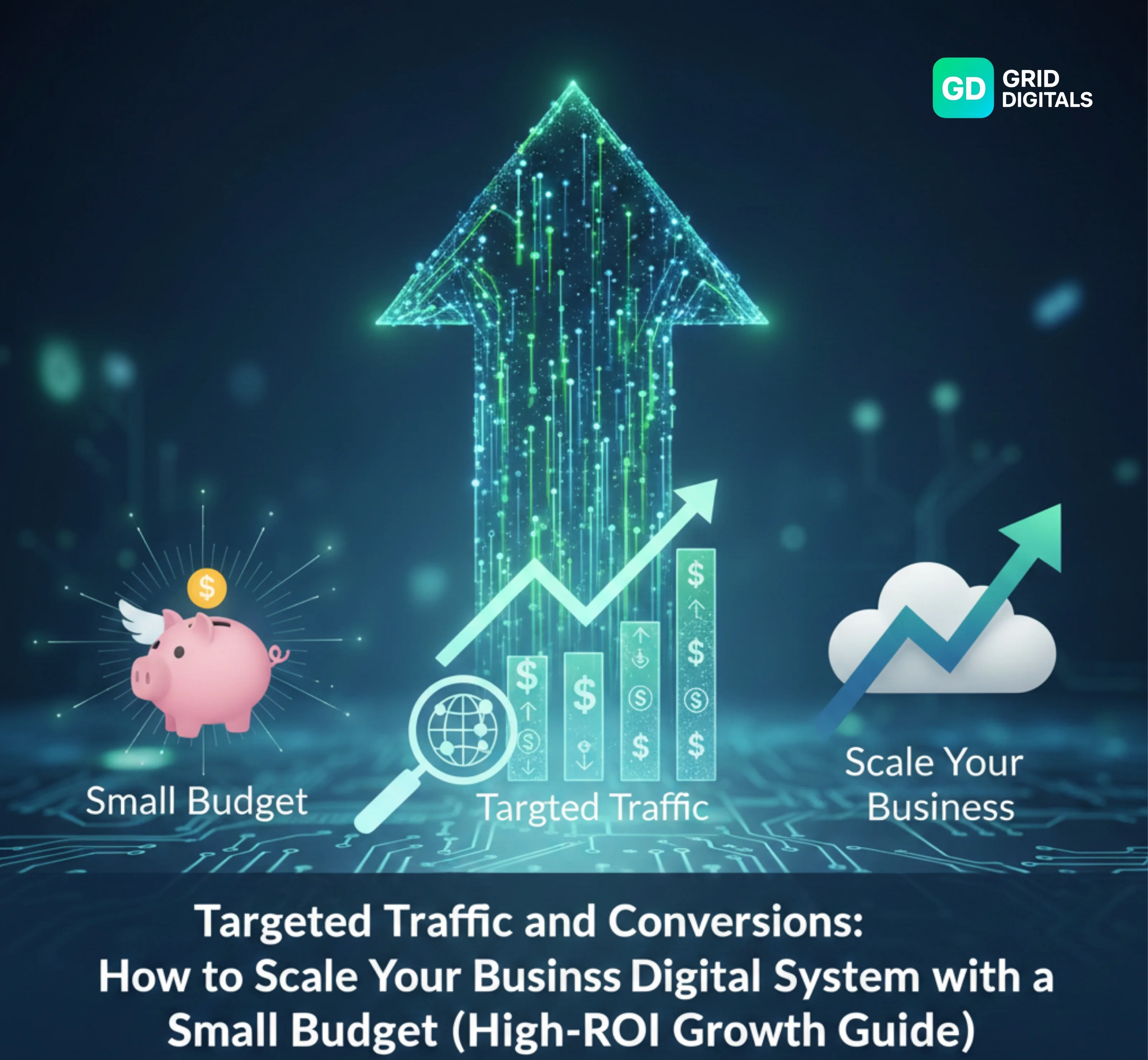
This is the inflection point. The revenue and testimonials generated from these first five sales are the assets required to confidently fund Phase 2: Targeted Traffic and scale your system exponentially.
Frequently Asked Questions (FAQ) — Zero-Cost Sales & High-Value Customers
Answers to common objections and concerns about acquiring high-value customers without paid ads.
Can I really get high-value customers without running any paid ads?
Yes. High-value customers are driven by trust and conversation, not ad spend. The zero-cost sales boost system focuses on optimizing your existing conversion paths (email and WhatsApp) with clarity, credibility, and structured follow-up—making it far more effective than broad advertising.
Which “C” is the most important in the 4 C’s of Zero-Cost Conversion?
Conversation is the most critical C for guaranteed sales. Clarity attracts attention and credibility builds trust, but the ability to move a prospect from automation into a real human conversation (via WhatsApp or a call) is what consistently closes high-value deals.
How quickly can I implement the Low-Friction Offer (LFO) strategy?
Most businesses can design, price, and publish a Low-Friction Offer within 24 hours. Because it relies on zero-cost tools like your website or WhatsApp Catalog, the only real requirement is defining one clear, immediate win the offer delivers.
How long does it take to get the first 5 high-value customers online?
With disciplined execution, most businesses see results within 14–30 days. The timeline depends on how consistently you follow up, nurture leads, and move conversations toward your Low-Friction Offer.
Do I need a large audience to make my first sales online?
No. High-value customer acquisition depends on clarity, conversation, and conversion—not audience size. Even a small, engaged list can generate predictable sales when the system is structured correctly.
Is this a guaranteed sales system without ads?
The system guarantees sales predictability by removing randomness from the process. Results depend on disciplined execution, structured follow-up, and consistent conversation—not algorithms or paid traffic.